Tire Sizing
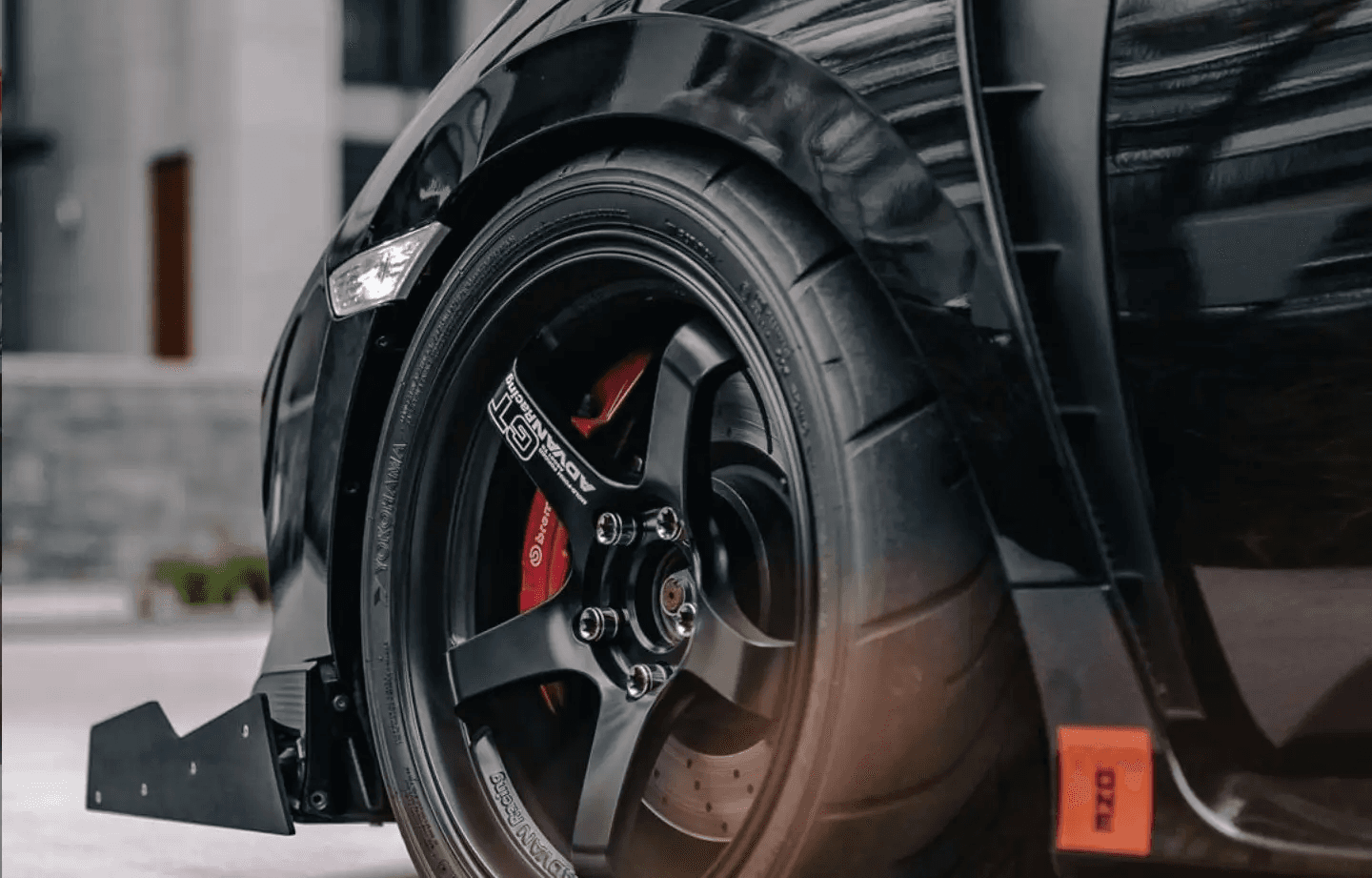
First and foremost, size is everything when it comes to choosing the right tire. It’s imperative that you select a tire designed to fit your wheel size and vehicle type by:
How to Read Tire Size
- 1
Identify tire size.
- 2
Identifying the load index and speed symbol.
- 3
Ensuring your size, load index, and speed match your current vehicle year, make, and model.
For more information on tire sizing, click here.
Tire Requirements
After sizing, there are three main criteria that you need to consider when choosing a replacement tire: where you drive (geography), why you drive (operation) and what mileage you would expect (longevity).
Geography & Weather
Where you live and the weather you drive in make a big difference in the type of tires you should choose for your vehicle. In most areas of the country, all-season tires will likely meet your general tire requirements.

SUMMER TIRES
If you live in the sunbelt region of the country, you may want to consider summer tires. Because this driving environment is generally dry or hot, you should consider tires with a higher level of dry braking, including those with higher UTQG temperature level (A) ratings.

WET WEATHER TIRES
If you expect to drive in rainy weather, you should consider tires with a higher level of wet traction, which may include those with higher UTQG traction levels (AA, A).

ICY CONDITIONS
If you drive in icy conditions, ensure that your tires have a higher level of ice braking performance. These may include winter tires or all-season tires with severe snow flake mountain ratings.

WINTER TIRES
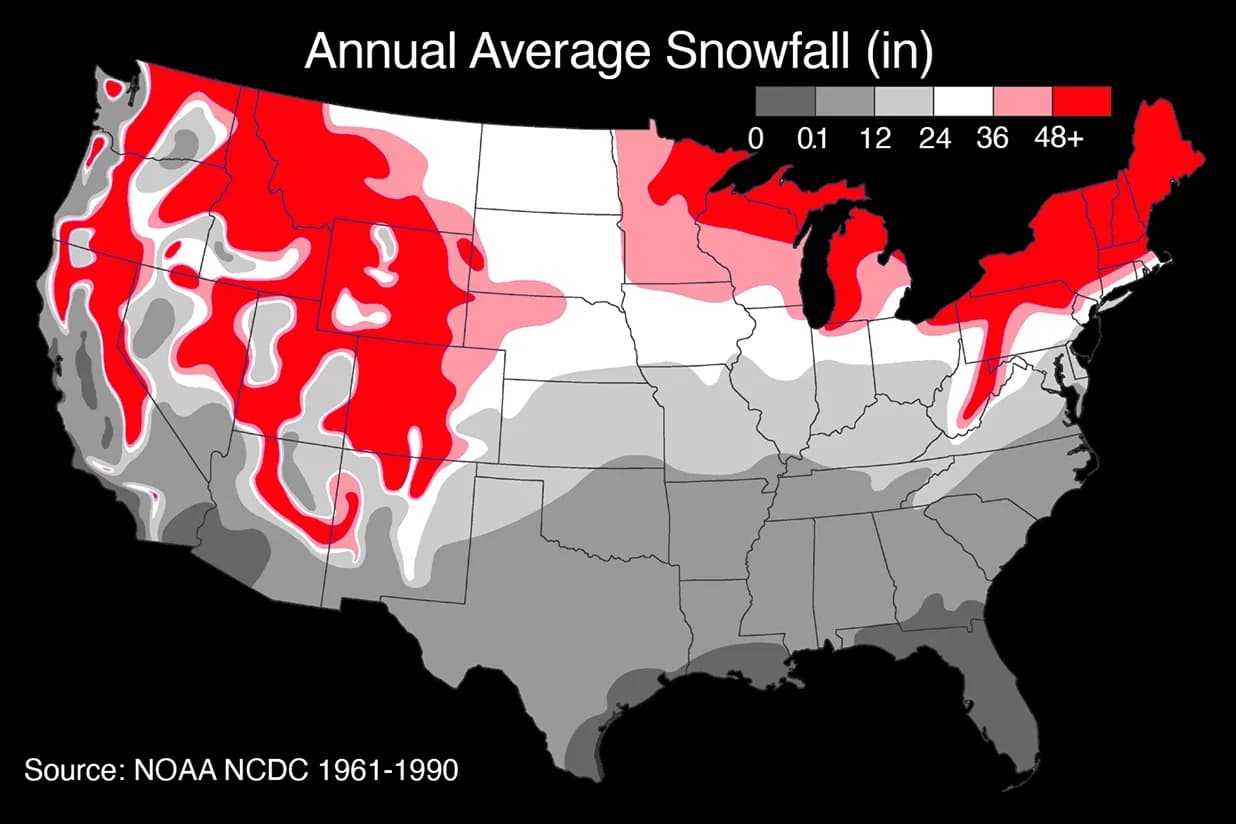
Northern areas often face cold temperatures that can impact your tires. If you live in the snowbelt region of the country and rely heavily on your vehicle to travel in snowy and icy conditions, you may want to consider dedicated winter tires or all-season tires with a three-peak mountain snowflake (3PMS) symbol, which certifies that they are rated for severe snow service.
Winter tires should always be installed on every wheel position. Winter tires on only one axle can lead to unpredictable handling. Many Yokohama winter tires have a snow wear tread indicator at 50% of the total tread depth. This bar is intended as a reminder that deep snow performance may diminish at that level of wear. Never reduce tire pressures in an attempt to increase traction on snow or ice. Slow down and drive carefully in adverse winter driving conditions.
Operation
DAILY & COMMUTE
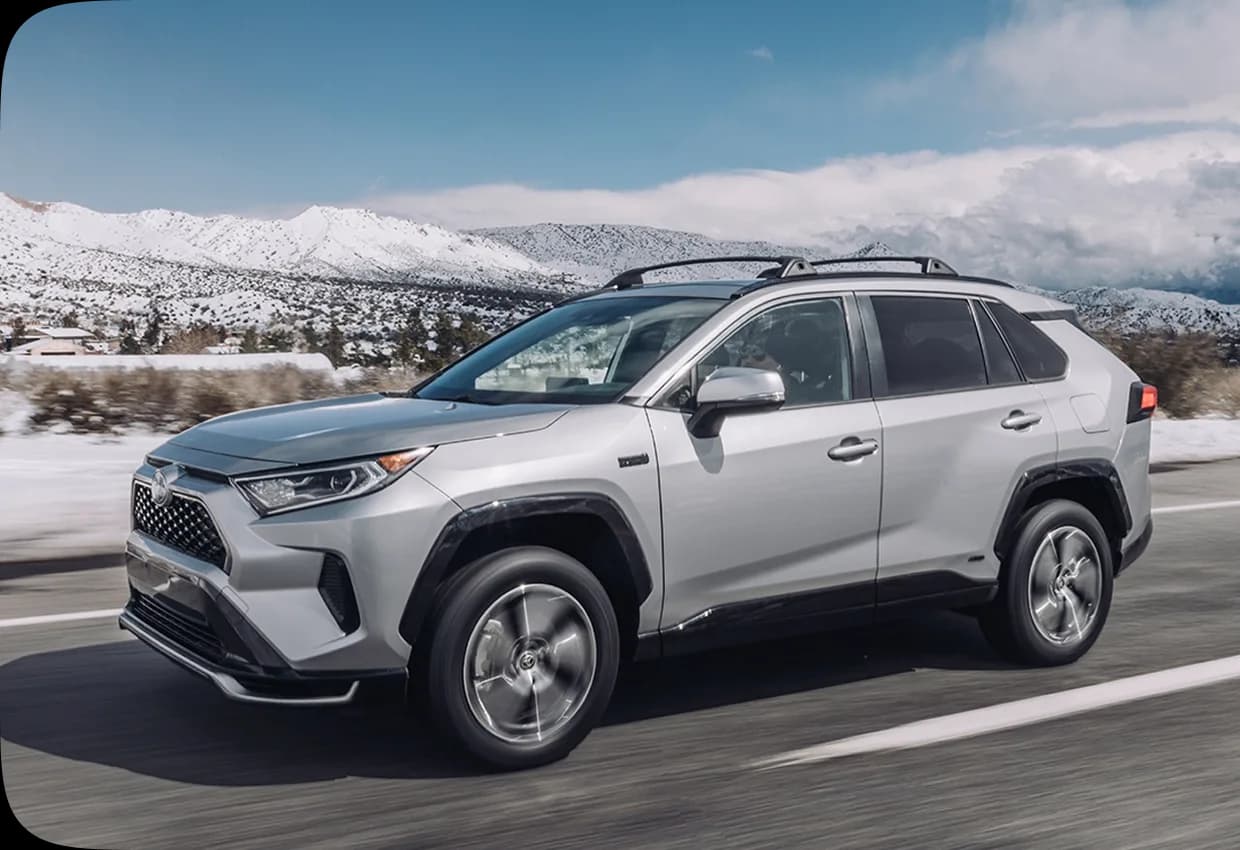
Most tires are suitable if you are looking for primarily commuting and running errands. Choose your particular tire based on the type of vehicle (Car, CUV/SUV, Truck, Electric Vehicle) and how you want your vehicle to perform (sporty & responsive, quiet & comfortable or balanced performance). You may also want to consider run flat tires, as these are now standard or optional on many late-model vehicles.

RECREATION
For recreational use, summer and all-season tire types are available for drivers looking for increased traction and performance. Choose your particular tire based on how you want your vehicle to perform (sporty & responsive, balanced performance or race track capable). If you chose summer tires for recreational use, you may need to purchase separate tires depending on the weather in your area.
If off-road recreation is your primary need, all-terrain and mud-terrain tires are available for off-road performance. Choose your particular tire based on how you want your vehicle to perform (balanced on road and off road, aggressive mud, rock crawling or overlanding.)

WORK & UTILITY
Many tire types are also suitable for daily work vehicles. The type of tire that you will want to consider for your work vehicle may be influenced by the terrain that you will need to drive (mainly highway, on- and off-road or more severe off-road) and whether you will have heavy towing or load-carrying requirements, which may require higher load-rated tires.
Longevity
Longer-lasting tires can add value if they provide the performance required for your given geography and operational requirements. However, not all tires can achieve the highest mileage available and still meet varying weather conditions or all performance requirements of your specific driving needs. The chart below gives a general warranty range that you can expect based on certain tire types.
MILEAGE WARRANTY GUIDE
The mileage ranges displayed above are common ranges and may not represent the full warranties on the market. If your vehicle has staggered sizes, with different sizes on the front and rear axles, the warranty will often be 50% of the standard mileage.
For more information on Yokohama's warranty, click here