Tread Design Types
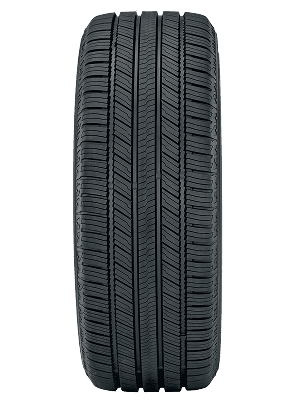
Symmetric Tread
A symmetric tread design is consistent across the tire's face. Both halves of the tread face are the same design.
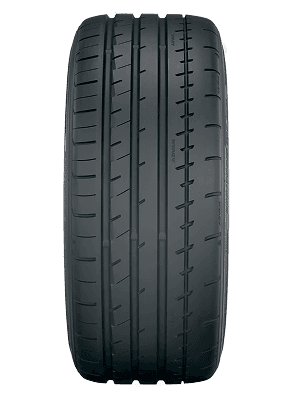
Asymmetric Tread
An Asymmetric tread design features a tread pattern that changes across the face of the tire. It usually incorporates larger tread blocks on the outer portion for increased cornering stability and smaller inner blocks that aid in traction and dissipating water.
Unidirectional Tread
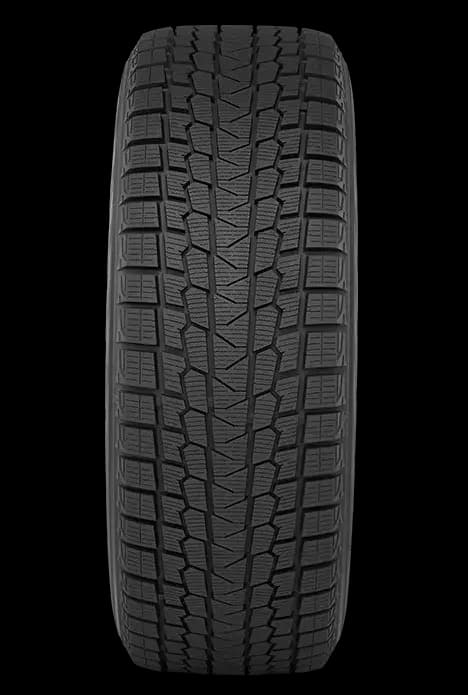
The terms Directional and Unidirectional are used interchangeably and mean that the tire has been designated to rotate in only one direction (and must be dedicated to a specific side of the vehicle). Unidirectional tires enhance straight-line acceleration by reducing rolling resistance and provide shorter stopping distances.
Tread Elements
Blocks
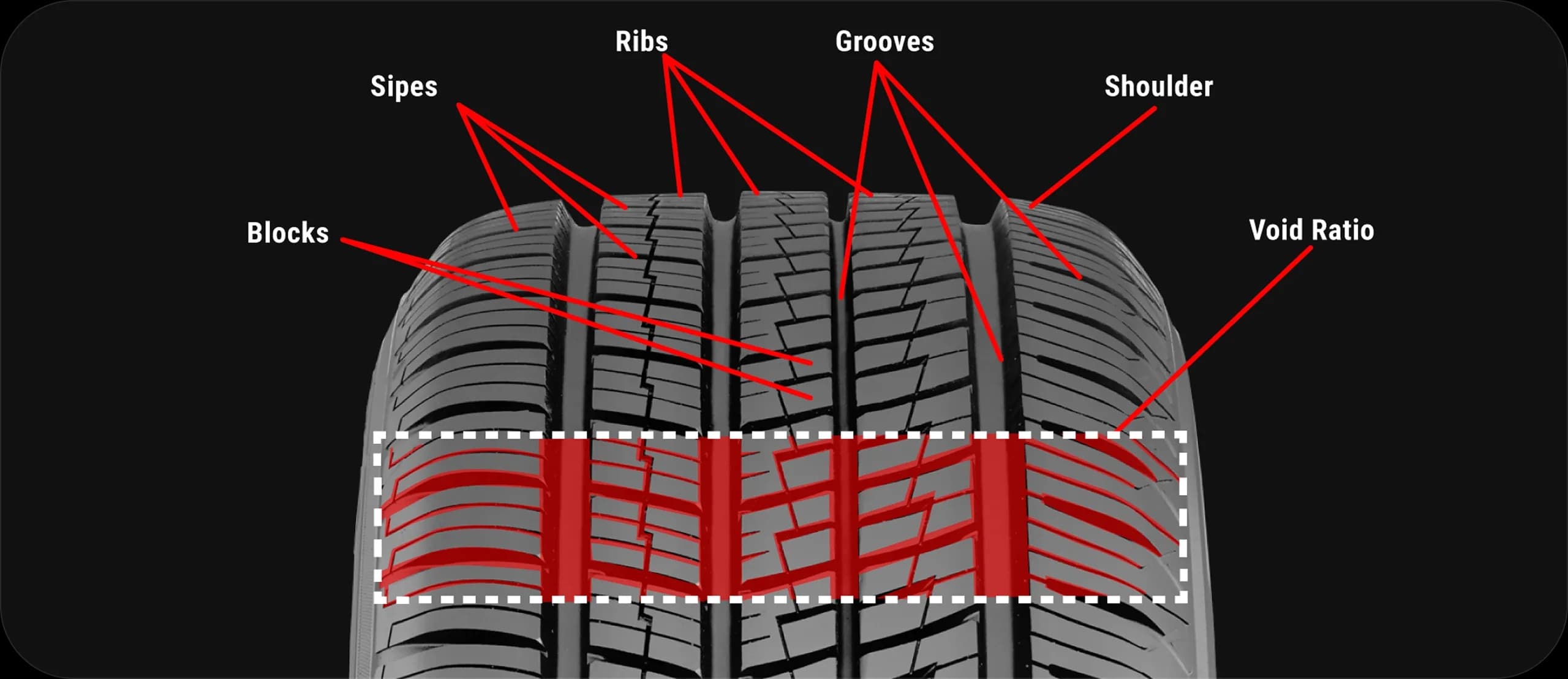
The segments making up a tire's tread. The primary function of tread blocks is to provide traction.
Sipes
The small, slit-like grooves in tread blocks that allow the blocks to move. This added flexibility increases traction by creating an additional biting edge. Sipes are especially helpful on ice, light snow, and loose dirt.
Ribs
The straight-lined row of blocks that create a circumferential contact band around the tire.
Grooves
Circumferential grooving is used to create voids for better water channeling on wet road surfaces and is the most efficient means of channeling water from the front to the rear edges of the contact patch.
Shoulder
Shoulders wrap slightly over the inner and outer sidewall of a tire and provide continuous contact with the road while maneuvering.
Void Ratio
The amount of open space in the tread. A low void ratio means more rubber is in contact with the road. A high void ratio increases the ability to drain water.
Tread Design and wet road conditions
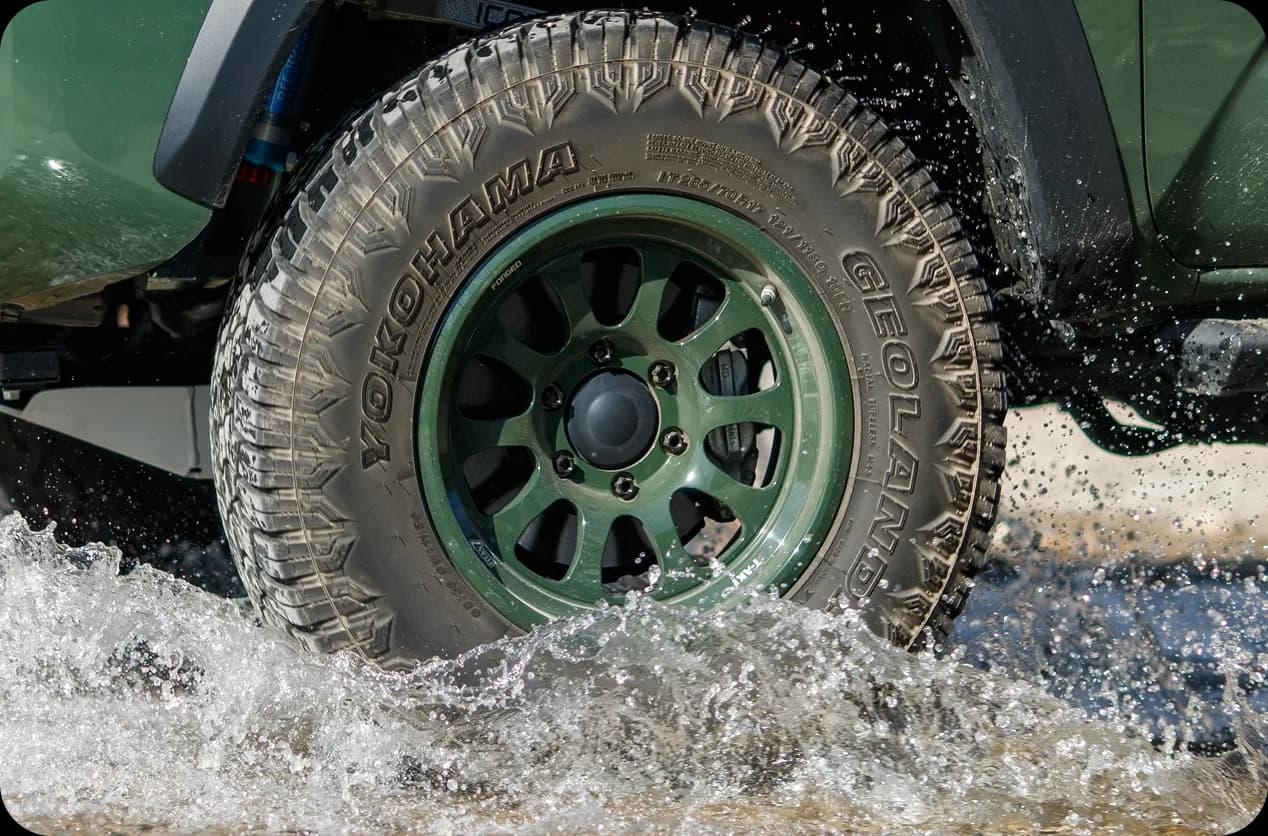
Tread design plays a crucial role in dispersing water while driving in wet conditions. The most efficient means of channeling water is through circumferential grooves, providing the shortest distance between the front and rear edges of the contact patch. Additionally, lateral grooves help break up the wedge of water that forms at higher speeds, reducing the chance of hydroplaning and increasing the tire's contact with the road.